ROBOTICS / ROS 2
Robot navigation and control
Personal robotics projects involving lidar navigation, sensors, motors and the software that coordinates them. They let me test how code responds to movement and imperfect sensor readings.
I develop software for small businesses, professionals and new products. Freelance since 2016, I handle design, development and testing myself. We can agree a free basic demo to explore the main feature before you commission the full project.
Free consultation and basic demo.
We agree what the demo will show. No obligation to hire; the full build is quoted separately.
Free · 30 min · Google Meet · You talk directly with me
Apps, websites and automation
You don’t need a technical brief. A short description of your idea or the problem is enough to start.
Book a free consultationA booking app, a customer portal or a tool for your team. Tell me what people should be able to do.
Copying data, sorting documents or updating several systems. Tell me which task takes too much time.
A new site, a page for a specific service or a redesign. Help visitors understand your business and contact you.
01 /WHAT I BUILD
A new application, a clearer website or less manual work. I can start from an idea or improve the tools you already use.
You don’t need to know which technology to use. Tell me what you want to achieve.
Business websites and landing pages that explain your offer and make it easy to contact you. I take care of design, development, loading speed and the technical foundations for search.
Custom Website Development, Freelance & RemoteWeb applications and internal tools for bookings, customers, orders or invoicing. I adapt the software to your workflow and connect it to the tools you already use.
Custom App & MVP DevelopmentApps for Android and iPhone, from an early concept to development. We define the essential features first, then choose the platforms and integrations the app needs.
Custom App & MVP DevelopmentReduce repetitive work such as copying information between tools or processing documents. I connect your systems and add checks or human review where needed.
Business Process AutomationSoftware, electronics and sensors for connected devices, home automation and robots. We first check what can be tested remotely and what equipment the project needs.
iGrow: automatic control of growing conditions. Utility model application, 2018.OEPM · ES 1211990 UDocument (PDF)
Describe my ideaClear content, fast pages and technical SEO help search and AI systems understand your website. I work on these foundations; rankings and citations cannot be guaranteed.
Describe my ideaHave something else in mind? Describe it in a few lines.
Describe my idea01.5 /ELECTRONICS AND PERSONAL PROJECTS
I also learn through personal projects: robots that navigate using lidar, sensors and boards such as Arduino and ESP32. One of those projects became iGrow, an automatic controller for growing conditions. Working with physical devices has taught me to test the hardware and software together.
I filed iGrow, an automatic controller for growing conditions, as a utility model application in 2018.OEPM recordDocument (PDF)
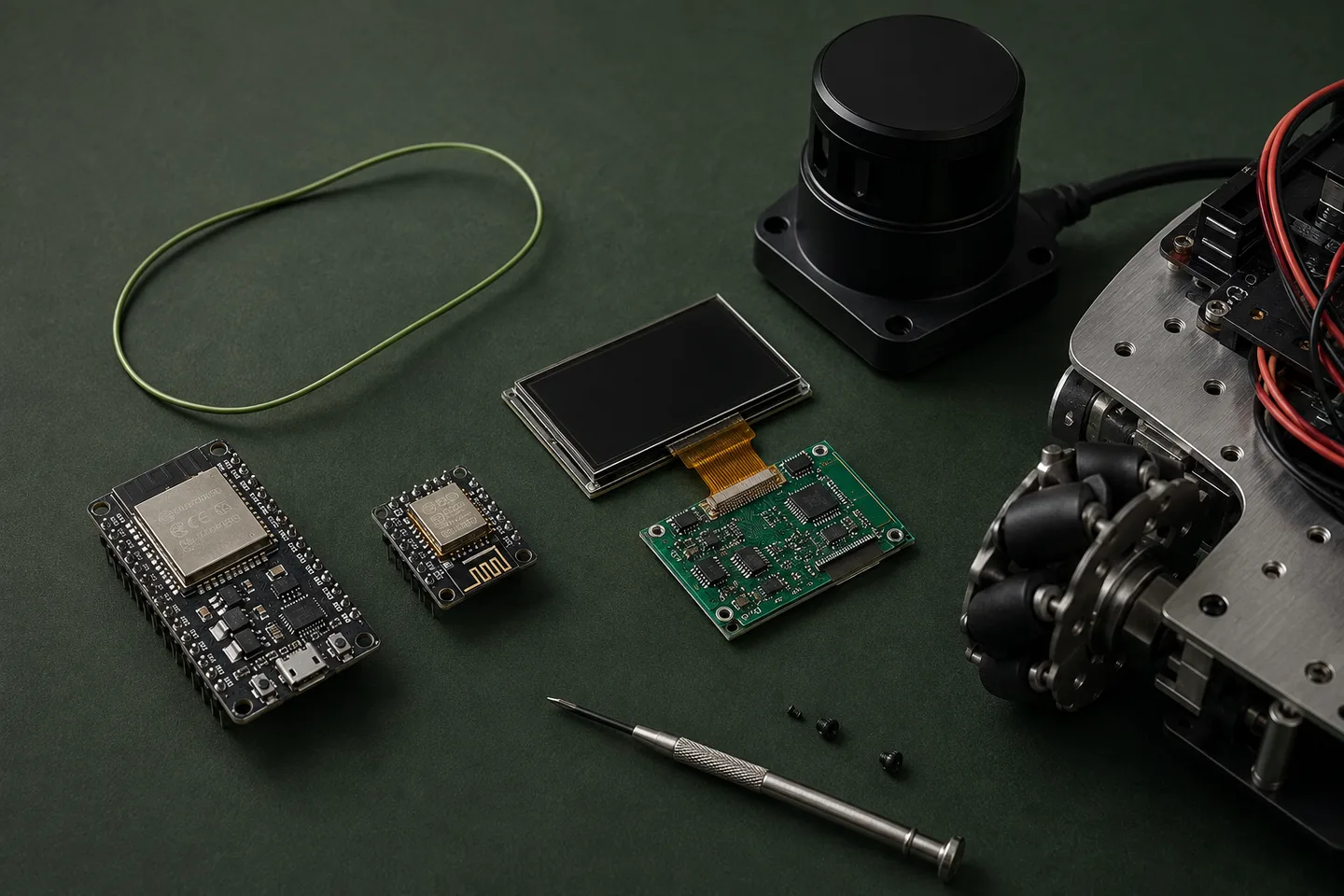
ROBOTICS / ROS 2
Personal robotics projects involving lidar navigation, sensors, motors and the software that coordinates them. They let me test how code responds to movement and imperfect sensor readings.
ESP32 / ARDUINO / IOT
Small programmable boards can read sensors, send alerts and control devices. I used them to prototype iGrow and to explore home automation.
SECURITY / BUG BOUNTY
I study how programs work, look for weaknesses within bug bounty programme rules and report what I find. That experience informs how I design accounts, data access and integrations.
AGENTS / RPA
AI agents use tools to complete several steps of a task. In my automation work, I connect them to business data and define which actions need human review.
Does your project involve software and hardware?
Read the guideLET'S TALK
Let’s talk about your project
Prefer to write? Send a brief summary and I’ll reply by email.
Your message goes directly to me so I can reply about your project.
Based in Barcelona · Working remotely
04 /How we’ll work together
Start with a free consultation or a short message. Then we define the first step together.
Book a free consultation or send a short message. Tell me what you want to build or the task you want to improve.
For suitable projects, we agree a small, free demo so you can try the main idea. The scope is confirmed before I start.
If you want to continue, I outline the work, price and timing. You decide whether to commission the project.
I develop and test the agreed solution, connect the necessary tools and explain how to use it.
03 /About me
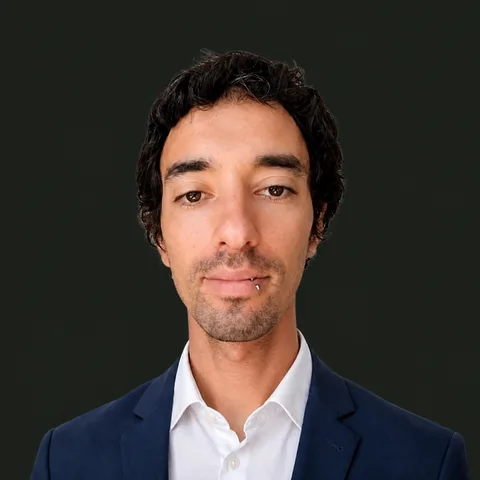
I’m Artur, a freelance software developer. I work remotely in English, Spanish, Catalan and German, from the first conversation through development and delivery.
Applied AI & enterprise automation
05 /Selected experience
My freelance work and roles in research, development and IT management.
Jun 2016 — Present Freelance · Remote
Custom software, agentic systems, automation and projects that connect software with electronics. I work freelance and keep building personal projects out of curiosity, from robotics to security tools.
Aug 2026 — Present Remote
 GoAnswersDirector of Research & Development
Research and development in applied AI, including evaluating how new capabilities work in enterprise systems.
Mar 2023 — Present Remote
 Wallner GroupDirector of Research & Development
Combining AI and RPA to automate complex administrative work, building CRM/ERP systems, and exploring blockchain among other technologies.
Jan 2021 — Mar 2023 Full-time · Remote
 Grupo AdgestHead of IT Department
Led the IT function and applied RPA with UiPath to administrative processes.
Capabilities
Applications, business websites, mobile apps and automations. You can bring a new idea or ask me to improve something you already use.
I work on useful content, page structure, loading speed and technical SEO so search and AI systems can understand your site. Rankings and citations depend on the platform and competition.
Yes. I’m based in Barcelona and work remotely in English, Spanish, Catalan and German. With teams in the United States or other time zones, we agree on the overlap needed for calls and reviews; the booking calendar shows availability in your local time.
Book a free 30-minute consultation or send a short description using the form. We’ll clarify the idea and a useful next step. You don’t need a technical specification.
The initial conversation is free. For suitable projects, I also offer a free basic demo with an agreed scope and no obligation to continue. Full development, larger prototypes and additional work are quoted separately.